All Categories

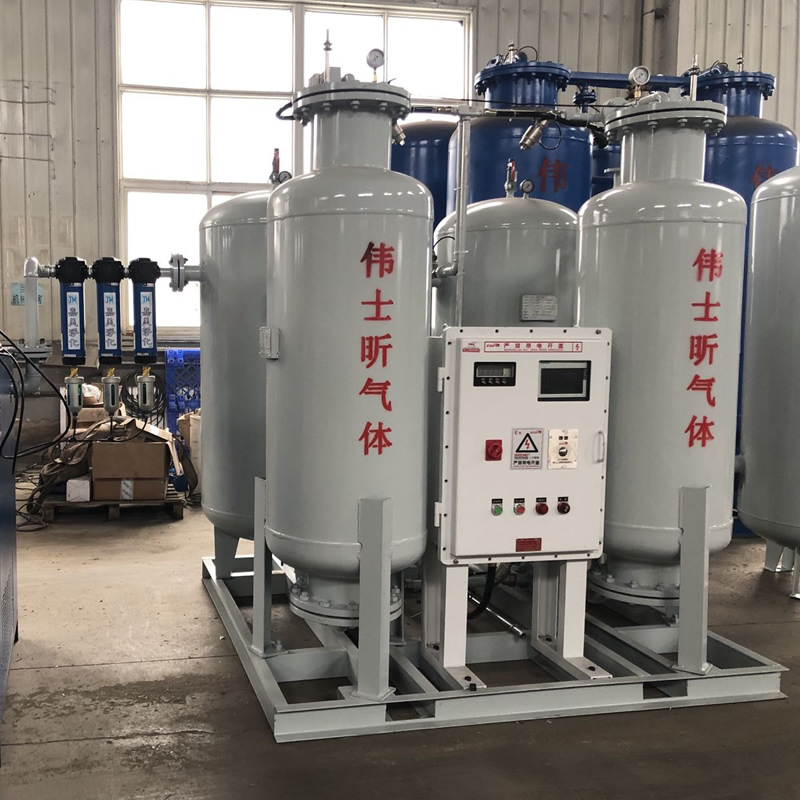
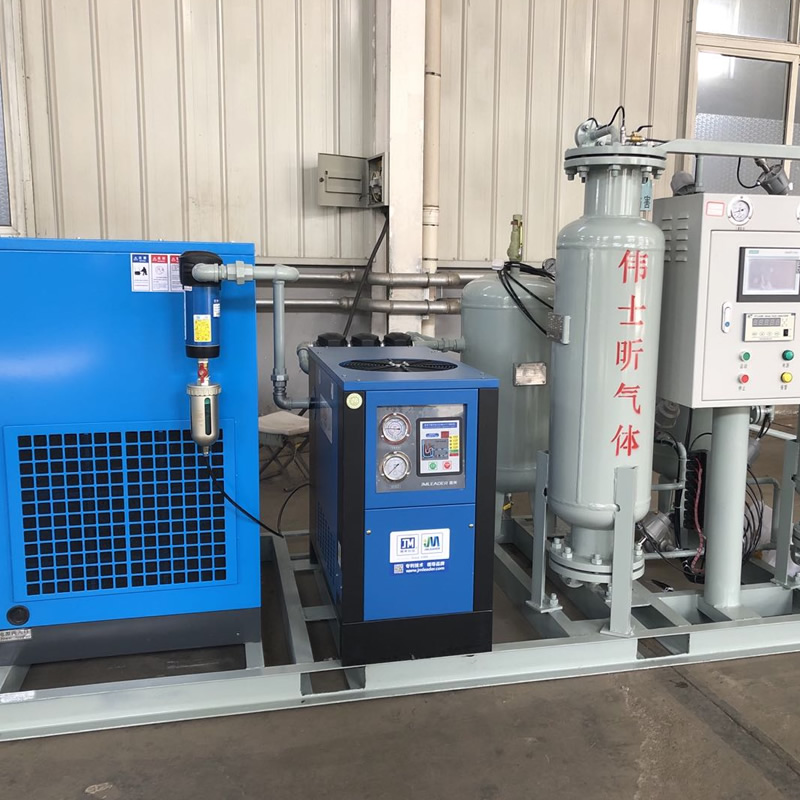
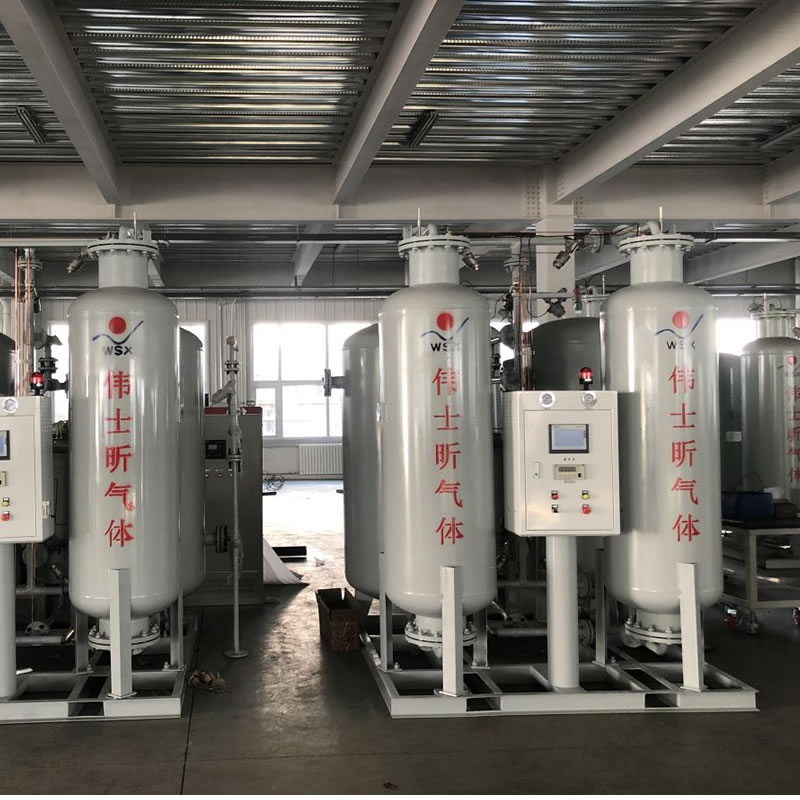
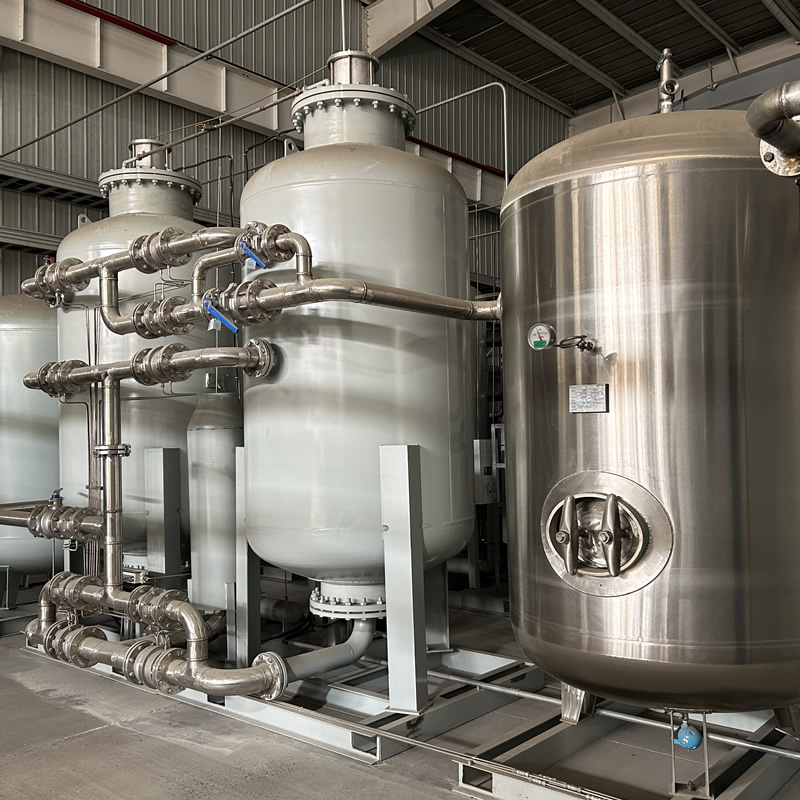
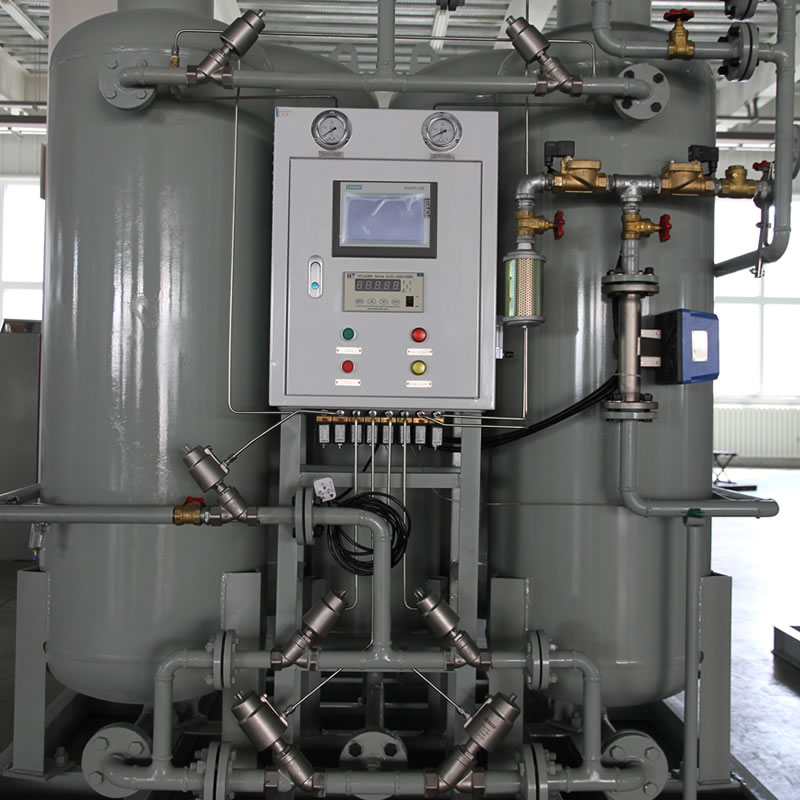
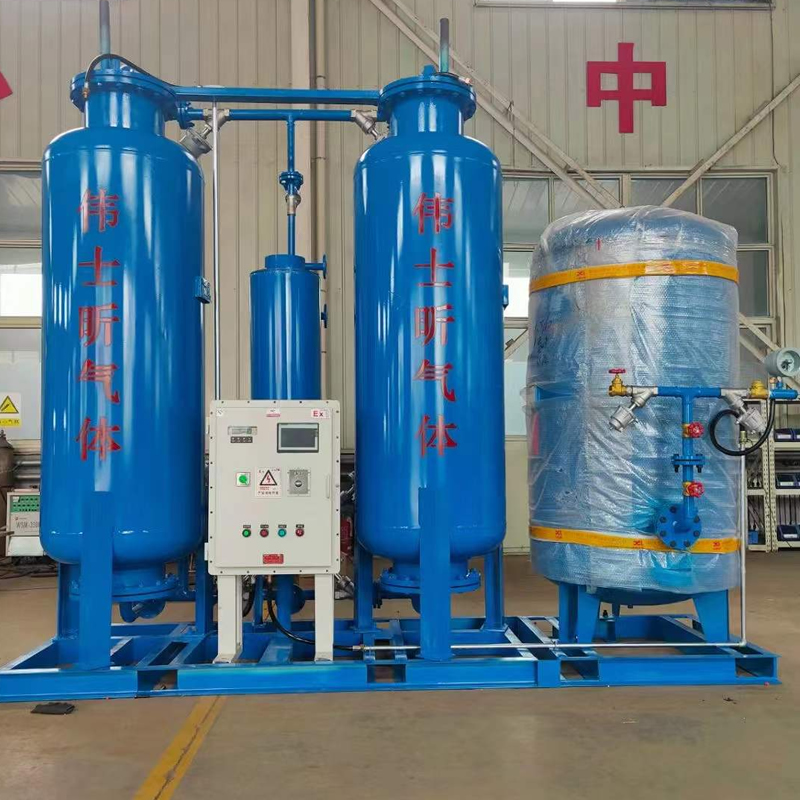
Generator Nitrogenii Specialis ad Applicationem Novarum Materiarum in Industria Petrochemica


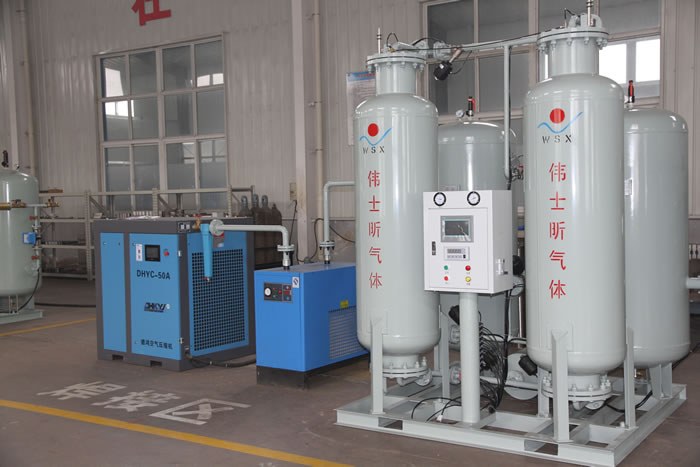
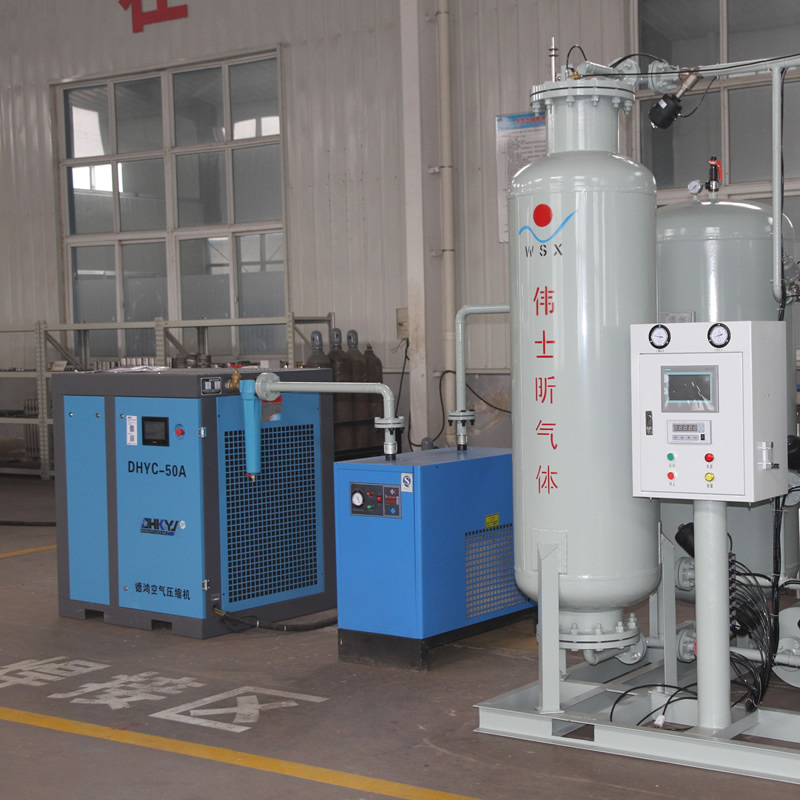
Technologia separationis gasorum per adsorptionem oscillationis pressionis (PSA), per aliquot decennia in separatione gasorum adhibita est et late in Sinis et etiam toto orbe terrarum usurpata est.

Locus Origin: MYRRHA
Notam nomen: WSX
Model Number: WPZN-3~5000

ARTIFICALIS

Scala nitrogenii: 3~5000Nm³/h
Puritas nitrogenii: 95 ~ 99.9995%
Pressio nitrogenii: 0.1~ 0.8Mpa (pressum adhiberi potest)
Punctum roris nitrogenii: -40~-70℃

APPLICATIONS

Usus novarum materiarum in industria petrochemica

Nitrogen is mainly used in the chemical industry as a raw material gas, pipeline blowing, atmosphere replacement, protective atmosphere, product transportation, etc. Nitrogen is mainly used in industries such as chemical, spandex, rubber, plastics, tires, polyurethane, biotechnology, and intermediates. Many chemical industries do not have high requirements for nitrogen purity, and many can be used with a purity greater than 98%, such as acrylic acid oxidation explosion-proof, float glass process flow, etc. By utilizing the chemical properties of nitrogen, an anaerobic atmosphere can be created in chemical processes to improve production safety. Nitrogen can also be used as a fluid transport power source.
Gas protectorium substituere, purgare, obsignare, detegere effluxiones, et sicca extingui; gas ad regenerationem catalysatoris, fractionationem petrolei, productionem fibrarum chemicarum, etc. adhibitum.
Meliora ad processus tractationis et raffinationis petrolei, ad conservationem olei et pressurizationem puteorum agrorum olei et gasi, ad purgationem et expurgationem fistularum, ad recuperationem solventium, et cetera.
Purificatio nitrogenii ad repositoria, receptacula, turres fracturae catalyticae, fistulas, etc.; probatio effusionis pressionis aeris systematis fistularum, etc.
The chemical industry is the most widely used industry for nitrogen equipment, and currently the most commonly used is polyurethane (PVC) with a purity of 99.5% and a high flow rate. Polypropylene (PE), with a purity of 99.9% and a high flow rate, is divided into two parts for nitrogen application. The first part requires 99.9% nitrogen for the loading and emptying of activators and catalysts, while the reaction kettle uses 99.5% nitrogen, usually requiring a purity of 99.9%.Polyethylene and aniline, with a purity of 99.95%, are used for catalyst regeneration of petrochemical product aniline with nitrogen gas, which is about four times higher than usual, but has a short service life.
Polyethylene and aniline require a nitrogen purity of 99.95%. For petrochemical products such as aniline, nitrogen used for catalyst regeneration is about four times higher than usual, but with a short service life. For maleic anhydride and ethanol, a nitrogen purity of 99.9% is generally required. For petrochemical products such as polyoxymethylene, a nitrogen purity of 99.9% is required. In the petroleum industry, nitrogen can be used for nitrogen purging of pipelines and containers, nitrogen filling of storage tanks, replacement, leak detection, combustible gas protection, as well as diesel hydrogenation and catalytic reforming. The purity of nitrogen is generally 99.9%.
Phthalic anhydride requires a nitrogen purity of 99%.
Polyester, upstream raw material PTA (refined p-phenylenedimethanol), actual required nitrogen purity is 95%, generally taken as 99%.
In the PTA production process, high-purity nitrogen is used to blow bubbles, measure the liquid level of ethylene glycol raw materials in high and low temperature reaction vessels, measure the pressure difference between the high and low pressure ends, and transmit a 4-20mA standard signal, which is then converted into liquid level height. And use high-purity nitrogen to measure the pressure of the vacuum system, and use high-purity nitrogen to backwash the filter in PTA production process. Polyester chips generally use nitrogen with a purity of 99% to 99.999% depending on the actual process.

EXERCITIUM PRAECEPTUM

Cum aer per purificationem et exsiccationem pressurizatur, secundum aerodynamicam, nitrogenium et oxygenium in aere sub cribro moleculari zeolithico (ZMS) propter oscillationem pressionis adsorptionis, varias diffusionis rates per adsorptionem nitrogenii efficient. Oxygenium in cribro moleculari carbonis in superficie eius diffusionis ratem maiorem habet quam nitrogenii. Cum adsorptio non aequabilis esset, oxygenium a cribro moleculari carbonis magna copia absorpebatur, et nitrogenium in phase gaseosa concentratum et locupletatum est ad separatio oxygenii et nitrogenii efficiendam.
QUAESITUM

CLAVIS PRODUCTS